


Father's Playbook
4.10.00 Reviews
App Specs
- Version
- 5.0.0
- Updated On
- License
- Free
- Downloads
- 10,000+
- Developer
- TX Safe Babies
- Categories
- Parenting
- Platform
- Android
Screenshots
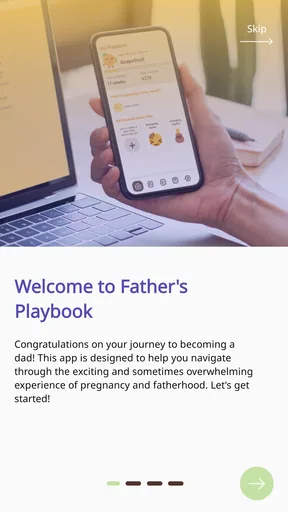
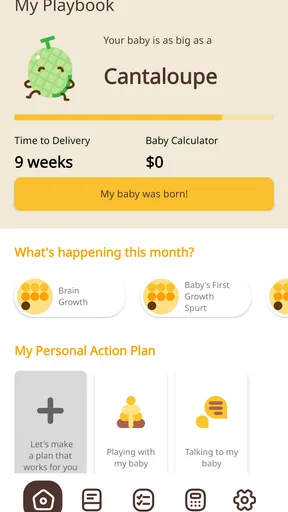
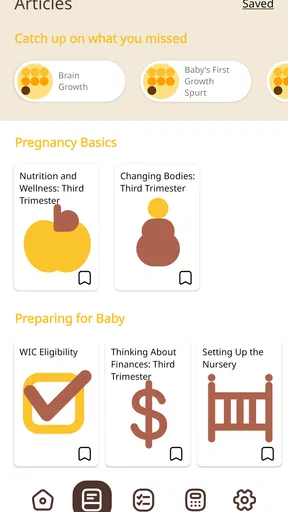
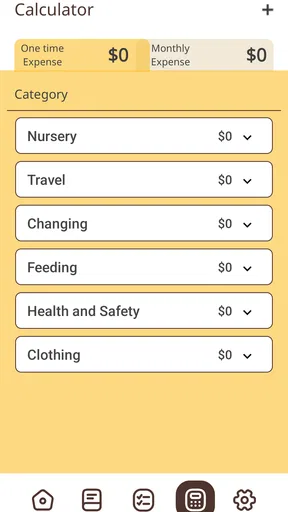
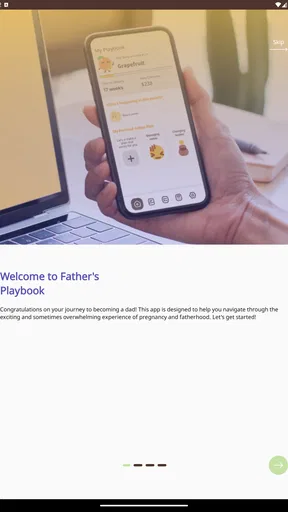
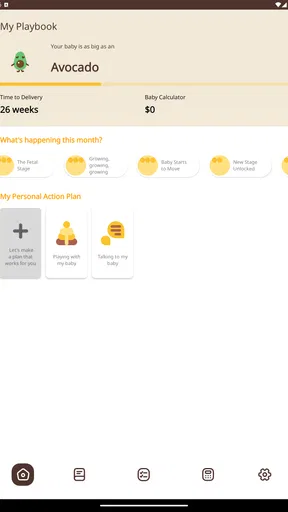
 Analysis by AppCompare
Father’s Playbook takes a simple but useful position: pregnancy information should be easier for fathers and partners to act on, not just read. I found it most appealing as a practical parenting companion for someone who wants to be involved but does not always know what to do next. Rather than treating pregnancy as something happening around the father, the app is built around his role in the process.
That focus gives the app a clear identity. Many pregnancy resources speak primarily to the pregnant person, while general parenting apps often become more useful after the baby arrives. Father’s Playbook sits in the space between those two options, helping a father think about support, preparation, communication, and the transition into parenthood. My overall view is positive: it is a friendly starting point for involved dads, although it should be used alongside professional medical guidance rather than as a replacement for it.
What makes Father’s Playbook useful in real life
The app comes from TX Safe Babies and belongs to the parenting category. It is free, carries an Everyone age rating, and has reached over ten thousand installs. Its average rating is 4.1 from thirteen ratings, which suggests a generally favorable early response while also reminding me that it is still a relatively small app community. It was released on August 7, 2025, and the current version is 5.0.0, with Android support beginning at version 7.0.
Those details matter because they frame the experience correctly. I would not approach this as a huge, deeply established pregnancy platform with an enormous library or a large social network. I see it instead as a focused tool for fathers who want a more direct entry point into pregnancy and early parenting. The free price makes it easy to try without turning the decision into a financial commitment.
The strongest part of the concept is its audience. A father can care deeply and still feel unsure about how to participate. He may not want to take over conversations that belong to the pregnant person, but he also does not want to remain passive. A father-centered guide can help translate good intentions into small, visible actions: paying attention, preparing ahead, asking better questions, and noticing when practical help is more valuable than advice.
I especially like the app as a shared conversation starter. A couple could look at a topic together and use it to discuss what support actually means in their household. That is more useful than simply collecting pregnancy facts. The important question is often not “What should I know?” but “What can I do with this information today?” A resource designed for fathers has a better chance of prompting that second question.
A realistic everyday use case
Imagine a father who works during the day and arrives home tired, while his partner is dealing with appointments, discomfort, planning, and a steady stream of decisions. He may ask how things are going and hear “fine,” even when the day has been difficult. Opening Father’s Playbook together for a few minutes can create a more specific conversation. Instead of offering a vague “Let me know if you need anything,” he can ask what task would remove the most pressure tonight.
Worth Reading Before You Choose

EA SPORTS FC Mobile 26 Is a Bigger Football Game, but It Takes Time

Flipboard Shows What News Apps Must Do Beyond the Feed

Switching to Android Auto Means Rethinking Your Driving Routine

Google Calendar Makes a Crowded Week Easier to Manage

Ludo King Makes the Most of the Minutes Between Plans

Baby Panda World Brings Quick Play to Modern Phones, but Its Game Library Feels Busy
That small change is where I think the app earns its place. It does not need to replace a full medical reference to be useful. Its value is in encouraging a father to become more observant and dependable. If the app helps him prepare a meal, handle an errand, attend a discussion with better questions, or recognize that emotional support is needed before practical solutions, it has done something meaningful.
Another useful routine would be a short weekly check-in between partners. The father can review the relevant material first, then ask his partner what feels most important rather than leading with whatever fact he happened to read. This avoids a common problem with pregnancy content: turning every conversation into a lecture. In my view, the best use of this app is not to show off knowledge but to improve cooperation.
Where the father-first approach stands out
Most usual alternatives fall into a few groups. There are pregnancy trackers centered on physical changes and appointments, medical websites that prioritize symptoms and clinical explanations, general parenting apps that cover a broad family journey, and informal advice from social media. Each has a place, but none automatically solves the problem of helping a father understand his role.
A conventional pregnancy tracker may be more useful for monitoring dates or following the pregnant person’s changing experience. A medical reference may offer more depth when a health question needs careful explanation. A general parenting app may become stronger after birth. Father’s Playbook is more specialized: its advantage is the deliberate decision to speak to dads and partners directly.
That specialization also creates a trade-off. A father looking for detailed medical information, extensive appointment management, or a complete newborn-care system may find a broader pregnancy or parenting platform more suitable. I would not choose this app as my only resource if I needed a comprehensive record of health information. I would choose it when the missing piece is confidence about participation.
The app’s short store description calls it a father’s playbook, and that idea is more useful than a generic promise to “support parents.” A playbook implies preparation and action. It encourages the father to think ahead instead of waiting until a partner is already overwhelmed. That is a meaningful distinction, especially for first-time parents who are learning how to divide responsibilities.
Practical ways I would use it
I would begin by using the app privately, before bringing every topic to my partner. That gives me time to understand the material and decide which points are genuinely relevant. Then I would select one or two ideas for a calm conversation. This workflow prevents the app from becoming another source of information that the pregnant person has to organize for everyone else.
A second approach is to use it before appointments. I would write down the questions that seem important, separate general curiosity from concerns that need a clinician, and bring the relevant discussion to the appointment. The app can help a father arrive more prepared, but medical decisions should still be made with qualified healthcare professionals who know the individual situation.
A third use is preparation through responsibility rather than shopping. Pregnancy content often pushes families toward lists of products, while the more urgent need may be a plan for meals, transport, rest, communication, or household tasks. I would use Father’s Playbook to identify where I can take ownership without waiting to be asked. That is a less obvious but more durable benefit than simply learning another fact about pregnancy.
I would also treat it as a prompt for emotional check-ins. A father may assume that practical help is always the best response, but sometimes listening without immediately fixing the problem is what matters. If a topic in the app opens that conversation, it can improve the relationship as well as the father’s preparation for the baby.
The limitations I would keep in mind
The father-focused design is its biggest strength, but it may also feel narrow to users who want one complete pregnancy system. If you expect a single app to manage every part of pregnancy, medical education, hospital preparation, newborn care, and family organization, this is probably not the right choice by itself. Its purpose is clearer and more personal than that.
There is also a risk that any father-oriented resource can unintentionally make basic involvement seem optional or unusual. A good father should not need an app to understand that pregnancy affects the whole household. The app is most valuable when it turns awareness into consistent action, not when it becomes a substitute for empathy or direct communication.
I would be careful with health-related interpretation as well. Pregnancy questions can be urgent, personal, and highly dependent on individual circumstances. No app should encourage a user to diagnose a serious symptom from a general explanation. I would use the material for preparation and discussion, then contact a healthcare professional when a concern requires medical judgment.
The rating of 4.1 is encouraging, but the thirteen-rating sample is too small for me to treat it as a definitive verdict from a broad audience. I would read it as an early signal rather than proof that every father will have the same experience. The modest install base tells a similar story: this is a focused, still-growing resource rather than a universally familiar household name.
Because it is free, the trial decision is straightforward. A father can install it, explore whether the tone and material fit his needs, and keep it if it improves his preparation. If it feels too general, too limited, or not aligned with the family’s situation, there is little reason to force it into the routine. The right app is the one that reduces confusion rather than adding another obligation.
Who should choose it
I would recommend Father’s Playbook most strongly to an expecting father who feels involved in principle but needs clearer direction in practice. It is also a good fit for a partner who wants a father to participate more actively without having to assign every task. First-time parents may benefit particularly from its role-based perspective, because uncertainty is often less about willingness and more about not knowing where to begin.
It can also suit fathers who dislike conventional pregnancy content because it feels aimed at someone else. A father-centered voice may make it easier to engage with topics he would otherwise ignore. The app is not only for men who already enjoy parenting resources; it may be more useful for the reluctant reader who needs a direct, approachable reason to pay attention.
I would skip it as a primary choice if I were looking for detailed clinical education, advanced pregnancy tracking, or a full family organizer. In those cases, a specialist medical source, a pregnancy tracker, or a broader parenting platform would likely be better. I would also skip relying on it alone if the household needs structured coordination for appointments, medication, finances, or complex care.
For couples, the best arrangement is complementary. The pregnant person may already have a preferred health or pregnancy app, while the father uses this one to focus on support and preparation. That avoids asking one resource to serve two different purposes. It also respects the fact that the pregnant person’s medical experience and the father’s preparation are connected but not identical.
My final view
Father’s Playbook succeeds because it addresses a real gap: many fathers want to help but need a clearer path from concern to action. I appreciate that its identity is not simply “another pregnancy app.” Its strongest contribution is the reminder that preparation includes listening, sharing work, asking thoughtful questions, and becoming reliable before the baby arrives.
Its limitations are equally clear. I would not treat it as a medical authority, a complete pregnancy tracker, or a replacement for honest conversations between partners. Its smaller audience and focused purpose mean that some users will outgrow it or need another app alongside it. Those are reasonable boundaries, not reasons to dismiss the concept.
For me, the deciding question is whether a father wants a resource that speaks directly to his responsibilities. If the answer is yes, the free access makes Father’s Playbook easy to test, and the father-first approach gives it a practical advantage over many general alternatives. My recommendation is to use it as an action guide and conversation starter, not as the entire pregnancy toolkit.
In short, Father’s Playbook is best for the dad who wants to show up more thoughtfully and consistently. It will not answer every parenting question, and it should never replace professional care, but it can help turn good intentions into everyday support. That is a modest goal, yet in pregnancy, dependable small actions often matter more than having the biggest collection of information.
Pros
- Practical parenting tips are easy to browse and apply.
- Helpful guidance supports fathers through everyday family situations.
- Simple layout makes key advice quick to find.
- Useful for new dads seeking confidence and structure.
- Content can encourage more intentional time with children.
Cons
- Some advice may feel too general for complex family situations.
- Limited personalization may not match every parenting style.
- Content quality can vary between different topics or sections.
- Parents may need professional help beyond the app’s guidance.
- Regular use may require notifications or reminders to stay engaged.
FAQs for Father's Playbook
What is Father's Playbook and who is it designed for?
Father's Playbook is a parenting-focused app designed to help fathers become more organized, informed, and involved in their children’s daily lives. It may include practical guidance, activity ideas, reminders, and family-oriented resources. The app is especially useful for new dads and parents looking for structured support, although the available tools and content can vary depending on the device version and subscription plan.
Does Father's Playbook require a subscription or in-app purchases?
Before downloading Father's Playbook, check the current listing in the Google Play Store or Apple App Store for its pricing details. Some features may be available for free, while advanced content, coaching materials, personalized plans, or additional resources could require a subscription or one-time purchase. Review the trial period, renewal terms, and cancellation instructions carefully before confirming any payment.
Can Father's Playbook be used by fathers with children of different ages?
The app may be useful for fathers at several stages of parenting, from pregnancy and newborn care to activities involving older children. However, the relevance of its advice depends on the child’s age and the content currently offered by the app. Parents should treat its suggestions as general guidance rather than a replacement for professional medical, developmental, or psychological advice.
Does Father's Playbook work offline, and what permissions does it request?
Some sections of Father's Playbook may require an internet connection to load articles, synchronize progress, update recommendations, or access account-based features. Offline availability can therefore be limited. During installation or first use, review permissions related to notifications, storage, personal information, or account access. Only enable permissions that seem necessary for the features you intend to use.
Is Father's Playbook safe and suitable for sharing family information?
Because a parenting app may involve personal details about parents, children, routines, or family goals, privacy should be checked before regular use. Read the app’s privacy policy to understand what information is collected, how it is stored, and whether it is shared with third parties. Avoid entering highly sensitive information unless you are comfortable with the stated data practices and security measures.


